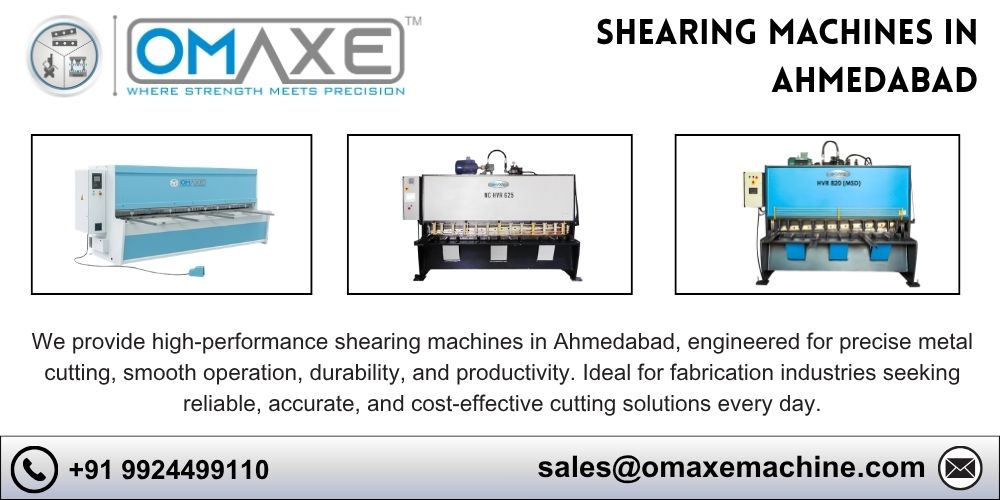
Shearing Machines in Ahmedabad
Explore advanced shearing machines in Ahmedabad for accurate metal fabrication. Understand features, applications, and how to choose reliable equipment for indu
Why This Matters in Ahmedabad
Ahmedabad stands as a significant industrial and manufacturing center within Gujarat, India. The city's economic landscape is characterized by robust growth in sectors such as automotive components, general metal fabrication, construction machinery, electrical equipment, and even specialized areas like HVAC and kitchen equipment manufacturing. Each of these industries relies heavily on the accurate and efficient processing of sheet metal. For businesses operating here, access to advanced shearing technology directly impacts their ability to meet production deadlines, control material waste, and deliver finished products that adhere to strict quality specifications.
What is a Shearing Machine — Overview
A shearing machine, often referred to as a metal shear or guillotine shear, is a fundamental piece of equipment used to cut large sheets or plates of metal into smaller, precise pieces. The process involves a stationary bottom blade and a moving top blade that descends to slice through the material, much like a pair of scissors but on an industrial scale. These machines are engineered for clean, straight cuts without creating chips or using heat, making them ideal for preparing material for subsequent fabrication steps like bending, punching, or welding. Modern shearing machines typically operate hydraulically, offering significant power, control, and consistent cutting force across various material thicknesses.
Key Features and Technical Specifications
Choosing a shearing machine involves understanding its core capabilities and design elements. These features directly influence the machine's performance, safety, and suitability for specific industrial tasks.
- Hydraulic Drive System: Provides consistent power and smooth operation, allowing for precise control over the cutting stroke and pressure.
- Adjustable Blade Gap: Enables operators to fine-tune the clearance between the upper and lower blades, optimizing cut quality and minimizing distortion for different material thicknesses.
- Motorized Back Gauge with Digital Readout: Offers quick and accurate positioning of the sheet metal, enhancing precision and reducing setup time.
- Robust Frame Construction: Utilizes heavy-duty, stress-relieved steel fabrication to ensure stability, minimize vibration, and maintain long-term cutting accuracy.
- High-Quality Shear Blades: Manufactured from hardened alloy steel, designed for extended sharpness and durability, capable of cutting various metal types.
- Safety Light Barriers and Guards: Integrated safety features protect operators by preventing access to the cutting zone during machine operation.
- Programmable Logic Controller (PLC) or CNC Control: Allows for automated cutting sequences, precise angle adjustments, and storage of multiple job parameters for repetitive tasks.
Industrial Applications and Use Cases
Shearing machines are versatile tools, indispensable across a broad spectrum of manufacturing and fabrication industries. Their ability to deliver clean, straight cuts makes them a foundational step in many production processes.
- Automobile Industries: Cutting chassis components, body panels, and structural elements from sheet metal.
- Metal Fabrication Industries: Preparing raw material for general fabrication, including enclosures, brackets, and custom parts.
- Construction Machinery: Sizing steel plates for heavy equipment frames, structural supports, and protective casings.
- Electrical Equipment Industries: Producing precise blanks for control panels, switchgear enclosures, and electrical cabinets.
- Heating, Ventilation, and Air Conditioning (HVAC): Cutting sheet metal for ductwork, air handlers, and ventilation system components.
- Medical Equipment Industries: Fabricating stainless steel components for medical devices, sterilization trays, and laboratory furniture.
- Kitchen Equipment Industries: Shearing stainless steel sheets for commercial kitchen appliances, countertops, and food processing machinery.
- Steel Furniture Industries: Cutting steel sheets and profiles for office furniture, shelving units, and storage solutions.
How to Choose the Right Shearing Machine
Selecting the appropriate shearing machine is a critical decision that impacts productivity, material efficiency, and overall operational costs. A careful evaluation process ensures the machine aligns with specific production requirements.
- Material Type and Thickness: Determine the maximum thickness and type of metal (mild steel, stainless steel, aluminum) the machine will primarily cut. This dictates the required cutting capacity.
- Cutting Length: Consider the maximum width of the sheets or plates that need to be processed, ensuring the machine's cutting length is sufficient.
- Accuracy and Precision Requirements: Evaluate the need for features like motorized back gauges, programmable controls, and adjustable blade gaps for achieving desired cut tolerances.
- Production Volume and Speed: Assess daily or weekly output requirements. Higher volumes may benefit from faster cycle times and automated features like CNC controls.
- Safety Features: Prioritize machines equipped with comprehensive safety mechanisms, including light barriers, blade guards, and emergency stops, to protect operators.
- Supplier Experience and Support: Choose a supplier with a proven track record, offering reliable after-sales service, spare parts availability, and technical assistance.
- Customization Options: Inquire about the possibility of customizing features like throat depth, hold-down pressure, or specialized blade materials for unique applications.
- Energy Efficiency: Consider the power consumption of the machine, especially for hydraulic models, to manage operational costs effectively.
Quality Standards and Compliance
Adherence to established quality standards and compliance regulations is paramount when investing in industrial machinery like shearing machines. These standards ensure the equipment is safe, reliable, and performs as expected over its operational lifespan. Buyers should verify that the machines meet relevant national and international benchmarks such as ISO 9001 for quality management systems in manufacturing. Specific product standards, including those from the Bureau of Indian Standards (BIS) or European CE marking, often apply to industrial machinery, indicating compliance with health, safety, and environmental protection requirements. Verifying these certifications confirms that the manufacturer follows rigorous processes, uses appropriate materials, and implements effective quality control measures throughout the production cycle.
Why Company Experience and Capability Matters
The longevity and technical proficiency of a manufacturing partner are crucial factors when procuring industrial equipment. A company with extensive experience, like Omaxe Machine Tools India Pvt. Ltd. with over 25 years in the field, brings a deep understanding of sheet metal machinery design and fabrication. This experience translates into robust manufacturing processes, where each machine is built with attention to detail and structural integrity. Their technical capability ensures the integration of advanced features, from precise hydraulic systems to sophisticated NC/CNC controls, tailored to specific industrial demands. Rigorous quality control at every stage of production, from material selection to final assembly, helps ensure that each shearing machine delivers consistent performance and reliability. Furthermore, a capable manufacturer offers valuable customization options, allowing businesses to acquire machines perfectly suited to their unique operational needs, backed by dependable delivery and comprehensive after-sales support.
Installation, Maintenance and Care Tips
Proper installation and ongoing maintenance are essential for maximizing the lifespan and performance of any shearing machine. Following recommended practices helps ensure operational safety and consistent cutting quality.
- Foundation and Leveling: Install the machine on a stable, level concrete foundation capable of supporting its weight and absorbing operational vibrations. Correct leveling is crucial for accurate cuts.
- Power Connection: Ensure the electrical supply meets the machine's specifications, including voltage, phase, and current, and that all wiring is done by qualified electricians.
- Blade Alignment: Regularly check and adjust the blade gap and alignment according to the manufacturer's guidelines and the material being cut. Misaligned blades can lead to poor cut quality and premature wear.
- Lubrication: Follow the lubrication schedule for all moving parts, including hydraulic cylinders, guides, and bearings, using the specified type of hydraulic oil and grease.
- Hydraulic System Checks: Periodically inspect hydraulic lines, fittings, and the reservoir for leaks. Maintain the hydraulic oil level and replace filters as recommended to prevent contamination.
- Safety Device Verification: Routinely test all safety features, such as emergency stops, light barriers, and guards, to ensure they are fully functional.
- Operator Training: Ensure all operators are thoroughly trained on the machine's operation, safety protocols, and basic troubleshooting procedures.
FREQUENTLY ASKED QUESTIONS
Shearing machines are primarily designed to cut various types of sheet metal and plate materials. This includes mild steel, stainless steel, aluminum, copper, and brass. The specific maximum thickness and material type a machine can handle depend on its cutting capacity and the strength of its blades. It is crucial to match the machine's specifications to the materials intended for processing.
Hydraulic shearing machines use hydraulic cylinders to power the upper blade, offering adjustable cutting force and stroke length, which provides greater control and flexibility for different material thicknesses. Mechanical shearing machines, on the other hand, use a flywheel and clutch system, providing a fixed cutting speed and force, often suitable for high-speed, repetitive cuts of consistent material.
Modern shearing machines incorporate several critical safety features to protect operators. These typically include front and rear safety light barriers that stop the machine if an object enters the cutting zone, blade guards to prevent accidental contact, emergency stop buttons for immediate shutdown, and hold-down systems that secure the material during cutting to prevent kickback.
The back gauge system is highly important as it accurately positions the sheet metal for cutting. A motorized back gauge with a digital readout significantly enhances precision and reduces setup time, allowing operators to achieve consistent cut dimensions quickly. Advanced systems may even include programmable features for complex cutting sequences.
A typical maintenance schedule involves daily checks for leaks and blade condition, weekly lubrication of moving parts, and monthly or quarterly inspections of hydraulic fluid levels, filters, and electrical connections. Annual professional servicing is also recommended to check for wear on critical components, recalibrate systems, and ensure optimal performance and safety.
Yes, many manufacturers offer customization options for shearing machines to meet unique industrial requirements. This can include variations in cutting length, throat depth, hold-down pressure, specialized blade materials for abrasive or delicate materials, and integration with automated material handling systems. Customization ensures the machine perfectly fits specific production workflows.
Conclusion
The selection of a shearing machine is a strategic investment for any business involved in metal fabrication in Ahmedabad. Understanding the technical aspects, key features, and diverse industrial applications of these machines is vital for making an informed decision. Prioritizing quality standards, evaluating the supplier's experience, and committing to proper installation and maintenance practices will ensure long-term operational efficiency and consistent product quality. Choosing the right equipment, supported by a knowledgeable and capable manufacturing partner, enables businesses to achieve precise metal cutting, optimize production workflows, and sustain a competitive edge in the dynamic industrial landscape.
Get In Touch
Omaxe Machine India Pvt. Ltd.