Sheet Shearing Machine Manufacturer in India
Discover essential insights into sheet shearing machines for industrial fabrication in India. Learn how to choose a reliable manufacturer for accuracy and effic
Why This Matters in India
India's manufacturing sector is experiencing significant growth, driven by initiatives like "Make in India" and increasing domestic and international demand. Industries such as automotive, construction, electrical equipment, and general metal fabrication require robust and reliable machinery to maintain production schedules and quality standards. The ability to precisely cut sheet metal is fundamental to creating everything from vehicle chassis parts to electrical enclosures and structural components. Investing in high-quality sheet shearing machines directly contributes to enhanced productivity and reduced material waste within these vital sectors.
What is a Sheet Shearing Machine — Overview
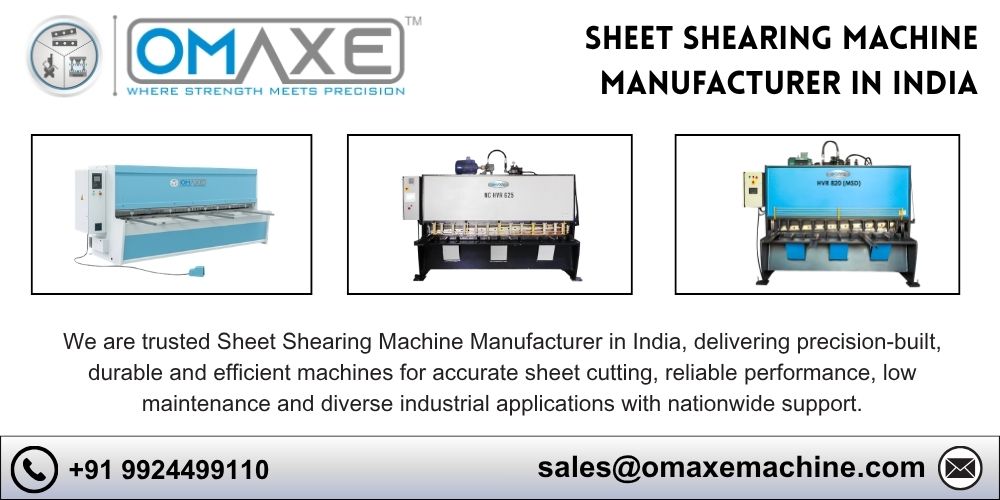
A sheet shearing machine, often referred to as a guillotine shear, is a fundamental piece of equipment designed to cut large sheets of metal into smaller, precisely sized pieces. It operates by holding the metal sheet firmly with clamps while a sharp, heavy blade descends to shear the material against a fixed lower blade. This mechanical action ensures a clean, straight cut without producing chips or burrs, which is common with other cutting methods. These machines are essential for preparing sheet metal for subsequent processes like bending, punching, or welding, making them indispensable in any fabrication workshop.
Key Features and Technical Specifications
Selecting a sheet shearing machine involves understanding its core technical attributes that dictate performance and suitability for specific tasks.
- Hydraulic Power System: Provides consistent and powerful cutting force, ensuring smooth operation and the ability to cut various metal thicknesses.
- Adjustable Blade Gap: Allows for precise adjustment of the gap between the upper and lower blades, optimizing cut quality and extending blade life for different material types and thicknesses.
- Motorized Back Gauge with Digital Readout: Enables quick and accurate positioning of the sheet metal for precise cut lengths, often controlled by NC or CNC systems for enhanced repeatability.
- High-Carbon, High-Chrome Blades: Engineered for durability and sharpness, these blades maintain their edge over extended periods, reducing the frequency of sharpening or replacement.
- Robust Frame Construction: A heavy-duty, welded steel frame ensures machine stability, minimizes vibration during operation, and contributes to long-term accuracy and reliability.
- Automatic Stroke Adjustment: Optimizes the blade stroke length based on the sheet width, improving cycle time and reducing energy consumption.
- Safety Light Curtains and Guards: Integrated safety features protect operators by preventing access to the cutting area during machine operation.
Industrial Applications and Use Cases
Sheet shearing machines are versatile tools, finding application across a broad spectrum of industries due to their precision and efficiency in metal cutting.
- Automobile Industries: Cutting blanks for car body panels, chassis components, and various structural parts.
- Metal Fabrication Industries: General-purpose cutting of sheet metal for custom projects, enclosures, and structural elements.
- Construction Machinery: Producing components for excavators, loaders, and other heavy equipment, including panels and brackets.
- Electrical Equipment Industries: Manufacturing precise panels for control cabinets, switchgear, and electrical enclosures.
- Heating, Ventilation, and Air Conditioning (HVAC): Shearing sheet metal for ductwork, vents, and air handling unit casings.
- Medical Equipment Industries: Preparing stainless steel sheets for sterile environments, instrument trays, and equipment housings.
- Kitchen Equipment Industries: Cutting stainless steel for commercial kitchen countertops, sinks, and appliance panels.
- Steel Furniture Industries: Fabricating components for office furniture, shelving units, and storage solutions.
How to Choose the Right Sheet Shearing Machine
Making an informed decision when purchasing a sheet shearing machine is critical for long-term operational success and return on investment.
- Assess Material Requirements: Determine the maximum thickness and type of metal (mild steel, stainless steel, aluminum) you will primarily be cutting. This dictates the machine's tonnage and blade specifications.
- Consider Cutting Length: Match the machine's cutting length capacity to the largest sheet dimensions you typically process to avoid multiple setups or limitations.
- Evaluate Control Systems: Decide between manual, NC (Numerical Control), or CNC (Computer Numerical Control) systems based on required precision, automation level, and budget. CNC offers the highest accuracy and repeatability for complex jobs.
- Verify Blade Quality and Durability: Inquire about the material and heat treatment of the blades, as this directly impacts cut quality and maintenance frequency.
- Examine Frame Rigidity and Construction: A robust, heavy-duty frame is essential for stability, vibration dampening, and maintaining accuracy over years of use.
- Prioritize Safety Features: Ensure the machine includes essential safety mechanisms like light curtains, blade guards, emergency stops, and hydraulic overload protection.
- Inquire About After-Sales Support: A reliable manufacturer should offer comprehensive installation support, operator training, spare parts availability, and prompt technical service.
- Check for Customization Options: If your operations have unique requirements, confirm if the manufacturer can provide tailored solutions for specific cutting needs or automation integrations.
Quality Standards and Compliance
Adherence to established quality standards and compliance protocols is non-negotiable when sourcing industrial machinery like sheet shearing machines. Buyers should verify that a manufacturer's products meet relevant national and international benchmarks. This includes standards such as ISO 9001 for quality management systems, which indicates a commitment to consistent quality in design, production, and service. Additionally, compliance with specific machine safety directives, such as those related to CE marking for European markets or equivalent Indian safety standards, ensures the equipment is built to operate safely. Verifying these certifications provides assurance regarding the machine's performance, reliability, and operator safety.
Why Company Experience and Capability Matters
Choosing a manufacturer with a proven track record and robust capabilities is fundamental to acquiring reliable industrial machinery. Omaxe Machine India Pvt. Ltd., with over 25 years of experience in the sheet metal machinery sector, demonstrates a deep understanding of manufacturing hydraulic shearing machines. Their capability extends from the initial design phase through precision manufacturing processes, leveraging a skilled technical team. This experience ensures that each machine is built to exacting standards, undergoes rigorous quality control checks, and is capable of delivering consistent performance. The company's focus on customization allows them to tailor machines to specific client needs, while their commitment to timely delivery and comprehensive after-sales support ensures operational continuity for their customers. This integrated approach reflects a dedication to building value-driven machinery that performs reliably and enhances manufacturing capabilities.
Installation, Maintenance and Care Tips
Proper installation and consistent maintenance are crucial for maximizing the lifespan and performance of any sheet shearing machine.
- Foundation and Leveling: Install the machine on a solid, level concrete foundation capable of supporting its weight and absorbing operational vibrations. Proper leveling is essential for accurate cuts.
- Hydraulic System Checks: Regularly inspect hydraulic fluid levels, check for leaks, and replace filters according to the manufacturer's schedule. Clean hydraulic oil is vital for system longevity.
- Blade Inspection and Sharpening: Periodically examine the shearing blades for nicks, dullness, or damage. Sharpen or rotate blades as needed to maintain cut quality and prevent premature wear.
- Lubrication Schedule: Follow the manufacturer's guidelines for lubricating moving parts, including the back gauge, ram guides, and other friction points, to ensure smooth operation.
- Electrical System Review: Conduct routine checks of electrical connections, wiring, and safety interlocks to prevent malfunctions and ensure operator safety.
- Operator Training: Ensure all operators are thoroughly trained on the machine's operation, safety protocols, and basic troubleshooting to prevent accidents and optimize usage.
- Cleanliness: Keep the machine and surrounding work area clean, free from metal scraps and debris, which can interfere with machine function and pose safety hazards.
Frequently Asked Questions
Sheet shearing machines are primarily designed to cut various types of metal sheets, including mild steel, stainless steel, aluminum, copper, and brass. The specific thickness and hardness of the material that can be cut depend on the machine's tonnage, blade quality, and overall structural rigidity. It is crucial to match the machine's specifications to the materials you intend to process for optimal performance and blade life.
NC (Numerical Control) shearing machines offer automated control over specific functions, typically the back gauge positioning, using pre-programmed numerical data. CNC (Computer Numerical Control) machines provide more advanced automation, controlling multiple axes and functions simultaneously with greater precision and flexibility. CNC systems allow for more complex programming, faster setup times, and higher repeatability, making them suitable for intricate and high-volume production.
The frequency of blade sharpening or replacement depends on several factors, including the type and thickness of material being cut, the volume of work, and the quality of the blades themselves. Regularly cutting harder or thicker materials will necessitate more frequent maintenance. A general guideline is to inspect blades weekly and sharpen them when cut quality deteriorates or visible nicks appear, typically every few months to a year under normal operation.
Essential safety features on a sheet shearing machine include blade guards to prevent accidental contact with the cutting edge, emergency stop buttons for immediate shutdown, and light curtains or laser barriers that halt operation if an object enters the cutting zone. Additionally, hydraulic overload protection, foot pedal guards, and clear warning labels contribute significantly to operator safety during machine use.
Yes, most sheet shearing machines are designed to handle a range of sheet thicknesses within their specified capacity. Modern machines often feature adjustable blade gaps, allowing operators to optimize the gap between the upper and lower blades for different material thicknesses. This adjustment is critical for achieving clean cuts, minimizing burrs, and extending the lifespan of the blades.
A well-maintained sheet shearing machine, especially one built with robust industrial-grade components, can have a lifespan of 15 to 25 years or even longer. Regular preventive maintenance, timely replacement of worn parts, proper lubrication, and adherence to operational guidelines are key factors that contribute to extending the machine's operational life and ensuring consistent performance over decades.
Conclusion
The role of a reliable sheet shearing machine manufacturer in India is pivotal for industries striving for precision and efficiency in their fabrication processes. From the automotive sector to specialized metal fabrication, the ability to accurately cut sheet metal directly impacts product quality and operational costs. Choosing a machine involves careful consideration of technical specifications, application needs, and the manufacturer's experience and commitment to quality. By prioritizing robust construction, advanced control systems, and comprehensive after-sales support, businesses can ensure their investment in a sheet shearing machine contributes significantly to their long-term productivity and success.
Get In Touch
Omaxe Machine India Pvt. Ltd.